


 Listen Live

ITHACA, NY (607NewsNow) — In a college town like Ithaca, nightlife has always been part of the local culture.
For decades, bars served as gathering places where students, locals, and visiting alumni could trade stories, hear live music, and unwind after a long day. But if you talk to longtime residents, they’ll tell you that Ithaca’s bar scene once looked very different than it does today.
From the 1960s through the 1980s, downtown and Collegetown were filled with establishments that became legendary in their own right. Names like Micawbers, Plums, The Dugout, Farmers and Shippers, The Pine Tavern, and The Depot were staples of downtown nightlife. In Collegetown, students packed into places such as The Nines, Olivers’; Rulloff’s, Dunbars, The Royal Palms, The Chariot, Duff’s, The Connection, Johnny’s Big Red Grill, and Johnny O’s. On any given weekend, thousands of students from nearby campuses flooded the bars, creating a lively scene that spilled onto the streets.
Part of what fueled that vibrant bar culture was the legal drinking age. For many years, New York allowed 18-year-olds to drink, which meant that a large portion of the college population could legally participate in the nightlife scene. In the mid-1980s, however, the drinking age was raised to 21 nationwide. The change dramatically reduced the size of the legal customer base in college towns like Ithaca, forcing many bars to rethink their business models or close altogether.
Ithaca even boasted some of the larger nightclubs in the region including the legendary North 40 (now Lakewatch Inn), The Haunt, and the Waterfront.
Other forces also reshaped the industry. Rising insurance and liability concerns made operating a bar more complicated and expensive. Dram shop liability laws meant that bar owners could potentially be held responsible for the actions of intoxicated patrons. At the same time, operating costs, from rent and utilities to staffing, continued to climb. Many smaller, independent bars struggled to keep up with these financial pressures.
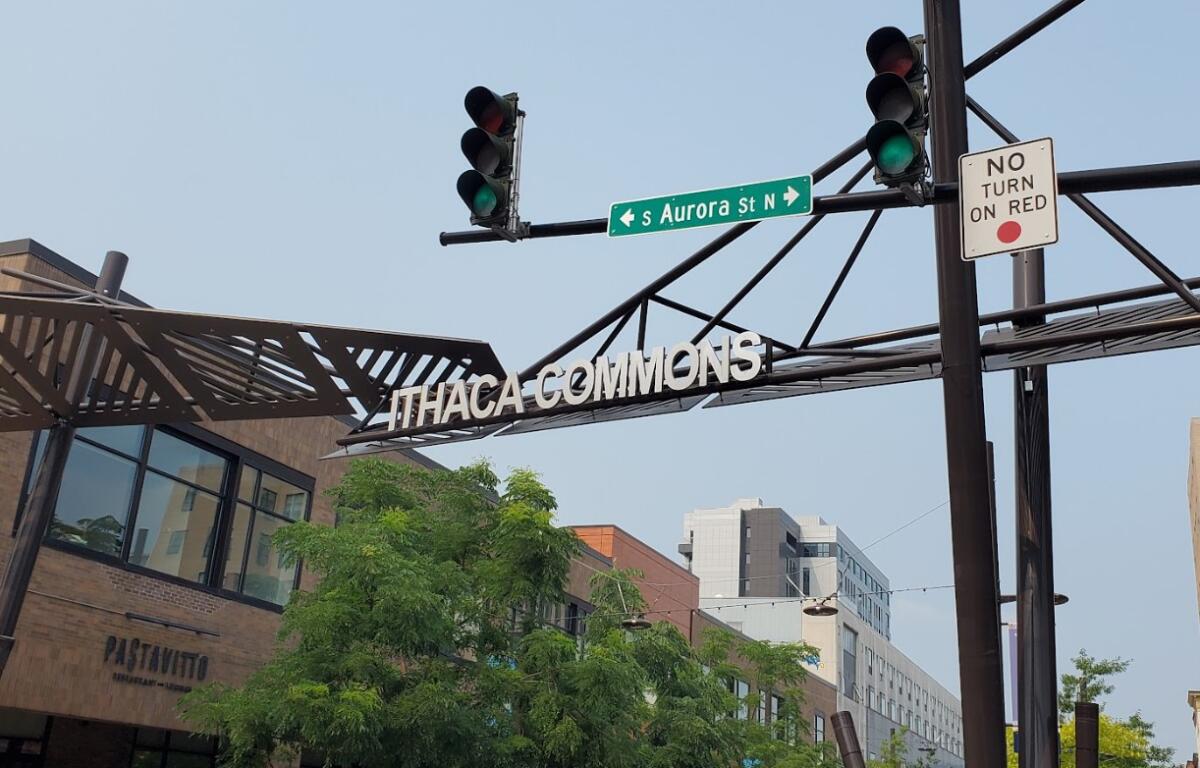
Downtown Ithaca itself also evolved. The development of the pedestrian-friendly Ithaca Commons transformed the city’s central business district into a hub of restaurants, retail shops, and entertainment venues. While bars remain part of the mix, the overall landscape has shifted toward a broader dining and cultural scene.
Still, a few classic establishments have managed to endure. Longtime favorites like Pete’s Cayuga Bar, The Fall Creek House, and The Chanticleer continue to serve as reminders of Ithaca’s old-school bar culture. These places have survived decades of change by maintaining loyal followings and adapting just enough to keep up with the times while preserving their character.
For those who remember the old days, the stories are part of Ithaca folklore, crowded happy hours, packed dance floors, and the friendships formed over a pitcher of beer. The buildings may change, the signs may disappear, and new businesses may take their place, but the memories remain.
And in a town with as much history and personality as Ithaca, those memories are often just one story away. Is there a classic Ithaca bar you miss?