


 Listen Live


ITHACA, NY (607NewsNow) — When you visit a doctor, they will likely talk about vaccinations, offer preventative care options, and suggest various testing to maintain your personal health and the health of the community you live in.
Annual visits boost public health initiatives by reducing the spread of diseases, catching illnesses early, and helping communities by reporting infectious disease outbreaks to local governments.
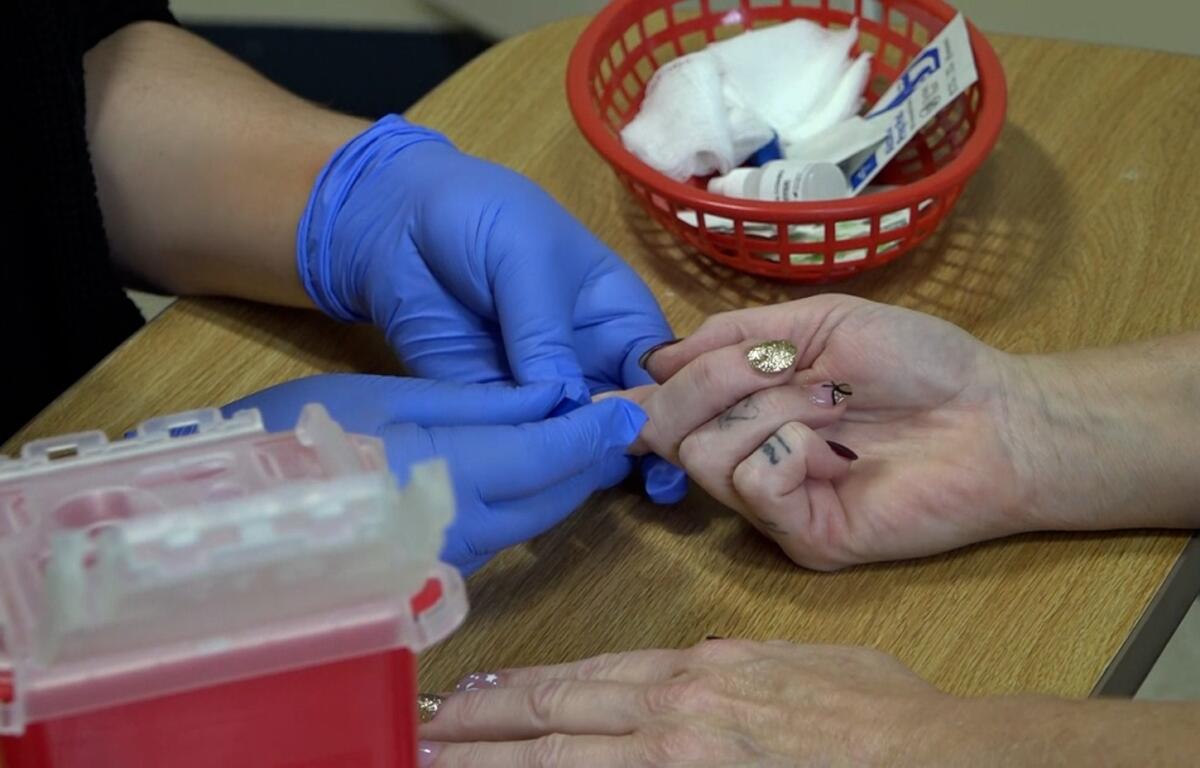
While tests for Sexually Transmitted Diseases (STD) and Sexually Transmitted Infections (STI) aren’t typically part of a regular check-up, it’s important to be transparent about your sexual history, so doctors can provide appropriate care if needed. Many people don’t feel comfortable bringing up the topic of sexual health on their own.
“I think it is time to change the way we talk about STIs/STDs,” says Lyla Yovanovitch, HIV Prevention Navigator and Outreach Coordinator, at Arnot Health, a Member of Centralus Health. “To start, all sexually transmitted infections are treatable, and some are curable! Any discussion of STIs/STDs seems to cause stress, guilt, and focus on the worst-case scenario; it shames people into not seeking testing or treatment.”
Sexual barriers, like condoms, diaphragms, and dental dams, are used to prevent unintended pregnancy and protect people from venereal diseases like Human Immunodeficiency Virus (HIV), chlamydia, and Human Papillomavirus (HPV). When talking about sexual health, doctors will ask about what, if any, preventative methods you use during intercourse.
“Healthy sex practices are not just about using condoms or getting tested, they’re also about staying informed! There is medication to prevent STIs and medication that can prevent HIV. Just knowing that gives you, or people you know, information that can keep your sex life healthy.”

If you have concerns about a potential exposure before a sexual encounter occurs, there are options to help lower your risk of contracting certain STIs. One of the best ways to maintain control of your sexual health is to talk to a primary care provider.
Arnot Health offers primary care services at 100 John Roemmelt Drive, Horseheads; 418 S. Hamilton Street, Erwin; 600 Roe Avenue, Elmira; 309 Hoffman Street, Elmira; 15 Community Drive, Addison, and 455 Maple Street, Big Flats. Cayuga Health offers primary care services at 40 Catherwood Road, Ithaca; 905 Hanshaw Road, Ithaca; 401 Cayuga Park Lane, Ithaca; 260 Tompkins Street, Cortland; 5 Evergreen Street, Dryden; 2138 West Seneca Street, Ovid; 220 Steuben Street, Montour Falls; and 217 N. Aurora Street, Ithaca.
In the event of a positive result, patients will be referred to an infectious disease specialist. Arnot Health’s Infectious Disease clinic is located at 602 Ivy Street, floor 2, Elmira. The Cayuga Centers for Infectious Disease are located at 260 Tompkins Street, Cortland and 1301 Trumansburg Road, Suite R, Ithaca.