


 Listen Live
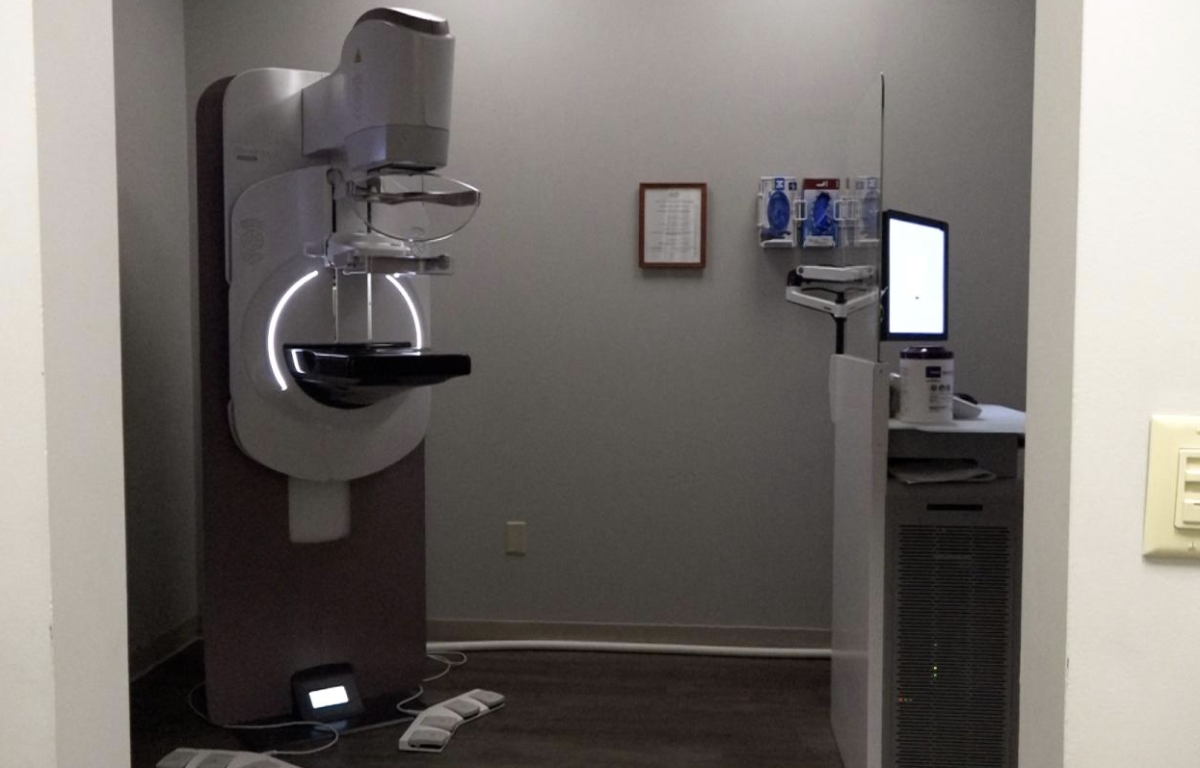

(607NewsNow) — Breast cancer is the second most common cancer diagnosis among women in the United States. Women over the age of 40 should talk to their doctor about scheduling a mammogram. This imaging tool is the most effective in finding breast cancer early, often years before a lump can be felt or symptoms appear.
“It’s important for women to keep up with annual screenings and work with their primary care provider to know what’s normal and abnormal for themselves,” says Dr. Shane Thorp, general surgeon at Arnot Health, a member of Centralus Health.
Mammograms play a vital role in breast cancer screenings. The test uses a machine to compress the breast at different angles to take photos. This spreads the breast tissue, improves image quality, and reduces radiation exposure. If a mammography technologist finds any abnormalities, patients will be called back to the office.
“We typically like to get patients into the office within 72 to 96 hours. That way they can be seen and have a care plan as early as possible,” says Dr. Thorp.

Catching cancer early, while it’s still localized and hasn’t had a chance to spread, can make treatment and recovery smoother.
Low-dose radiation 3D imaging is the first line of defense in breast cancer detection, but breast self-awareness is also important. While most organizations no longer recommend self-examinations for detection, health experts say self-examinations can help you notice changes in your breast health.
“I’ve always told patients they know their own body best. Anything they haven’t felt before, whether it’s new or different, is worth bringing up.”
Early warning signs to bring up to a primary care provider include new lumps in the breast or armpit, thickening or swelling in the breast, nipple discharge, breast pain or tenderness, and irritation or skin dimpling. These symptoms cannot be traced back to breast cancer based on appearance alone.
“If patients have any concerns about their breast health at all, the first thing I tell them is to make an appointment.”
Finding a lump or bump in the early stages of cancer leads to more options. Depending on the diagnosis, patients may not need to undergo aggressive treatments, potentially bypassing extensive surgery, chemotherapy, and other invasive interventions.
Arnot Health offers mammography services at 600 Fitch Street, Elmira, and 123 Conhocton Street, Corning. Cayuga Health offers mammography services at 101 Dates Drive, Ithaca; 220 Steuben Street, Montour Falls; 10 Arrowwood Drive, Ithaca; 1129 Commons Avenue, Cortland; 401 Cayuga Park Lane, Ithaca