


 Listen Live

(607NewsNow) — Providers generally start talking about your heart health at routine checkups in your mid-30s for screenings like blood pressure, and cholesterol, with an increased focus on individual risk factors.

“The top four risk factors for heart disease are smoking cigarettes, hypertension, high cholesterol and diabetes, but being overweight or out of shape are big factors,” says Dr. Lynn Swisher, Medical Director of the Cayuga Heart and Vascular Institute at Cayuga Health, a Member of Centralus Health. Photo of Dr. Lynn Swisher contributed by Cayuga Health, a Member of Centralus Health.
Having multiple factors compounds the damage. Many risk factors promote inflammation, damage the inner lining of blood vessels, impair insulin sensitivity, and disrupt the body’s ability to breakdown and store fat, all contributing to plaque buildup.
“It’s additive; the more of those things you have, the higher chance you have of having vascular disease, whether it’s coronary or peripheral,” says Dr. Swisher.
Conversations will get serious immediately if a patient mentions symptoms like chest pain, shortness of breath, dizziness, and/or palpitations.
“It’s recommended to seek medical attention for chest, arm, and/or neck pain that’s different from what they had before. Also, a decline in exercise ability or stamina that’s not explained by other reasons.”

Coronary artery disease is the primary cause of heart attacks, but other ailments can increase someone’s risk.
“There’s a lot of different kinds of heart health to keep an eye on besides coronary artery disease.”
Other major heart ailments include heart failure, where the heart can’t pump enough blood; valvular heart disease, when the heart has leaky or stiff valves; and arrhythmias, when people experience irregular heartbeats like atrial fibrillation, significantly impacting heart health and leading to other heart problems.
“Atrial fibrillation is a really common rhythm. It’s more common with age, starting with people over 50. Some people are aware that their heart is always racing, and they’ll always ask for help because they don’t like it. A lot of people are completely unaware,” says Dr. Swisher.
Atrial fibrillation often requires lifelong management, but treatments can help you live a normal, healthy life. If you have concerns about your cardiovascular health, don’t wait for a crisis; regular primary care visits are crucial for heart health discussions.
Cayuga Heart and Vascular Center has been providing cardiac services for 40 years and has more than a decade of experience in invasive cardiac care. Cayuga Health’s Heart and Vascular Centers are located at 201 Dates Drive, Ithaca; 40 Catherwood Road Ithaca; and 220 Steuben Street, Montour Falls.
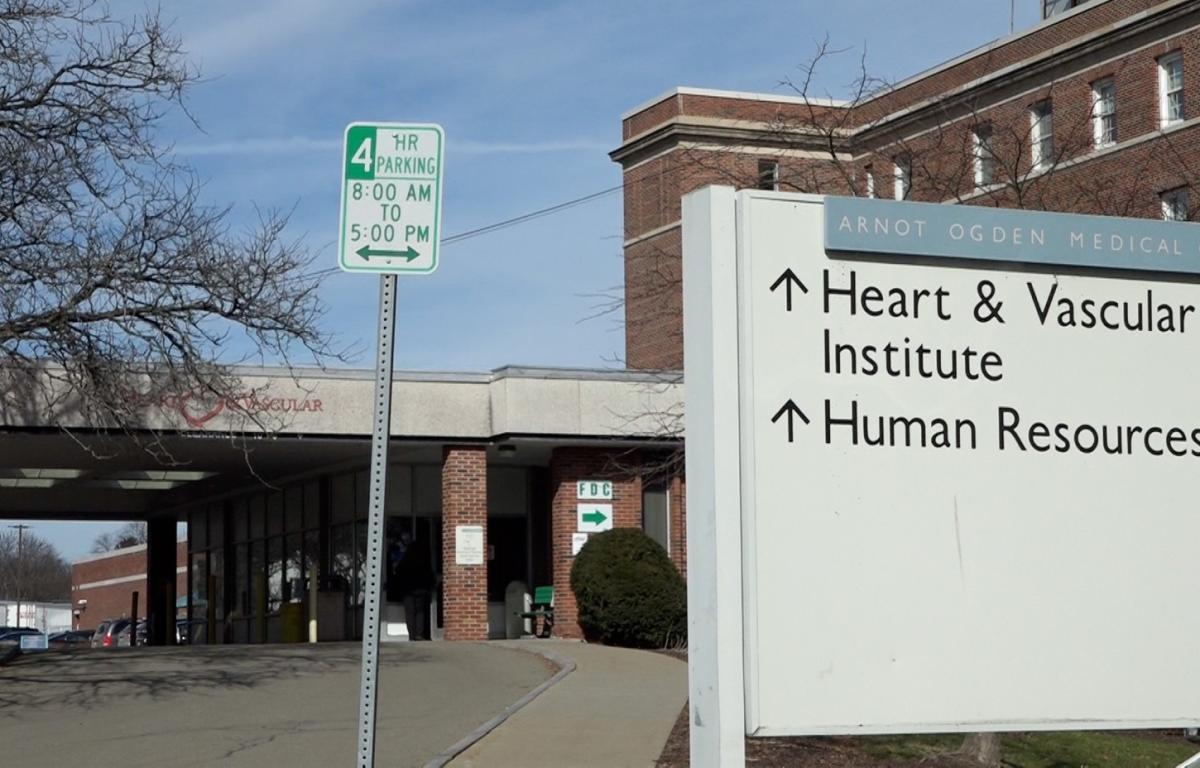
Whether you need critical care in a crisis or preventative care to improve your heart health, the most qualified specialists are waiting for you at Arnot. Arnot Health’s Heart and Vascular Institute is located at 600 Roe Avenue, Elmira.